Cataract & surgical care

Clear vision is possible.

Even after cataracts.

Cataracts are one of the leading causes of vision loss worldwide — but they're also one of the most treatable. Learn what they are, how they're treated, and what to expect.
Global impact
Leading cause
of blindness worldwide
Surgery success rate
~95%
of patients see improvement
Recovery time
24 hours
back to daily activities
Understanding cataracts

What are cataracts?

Cataracts form when the lens inside your eye becomes cloudy over time due to a buildup of proteins. This clouding prevents light from focusing clearly on the retina, causing vision that resembles looking through a foggy window.

While a cataract is not a "growth" on the eye, if left untreated it can completely block your vision. The good news — it is entirely treatable with surgery.

Natural aging
Diabetes
Eye injuries
Long-term UV exposure
Certain medications
Previous eye surgery
Know the signs

How do I know if I have cataracts?

You should visit your optician if you experience any of the following symptoms. Early detection leads to better outcomes.

Night driving difficulty — glares or halos appearing around lights when driving at night

Blurry or cloudy vision — a general haziness that doesn't clear when you blink

Faded or yellowed colours — colours appear less vibrant or have a yellow tinge

Always feeling like your glasses are dirty — even after cleaning them, vision still seems smudged

Needing more light to read — struggling to see in lower light conditions where you previously had no issue
The solution

How are cataracts treated?

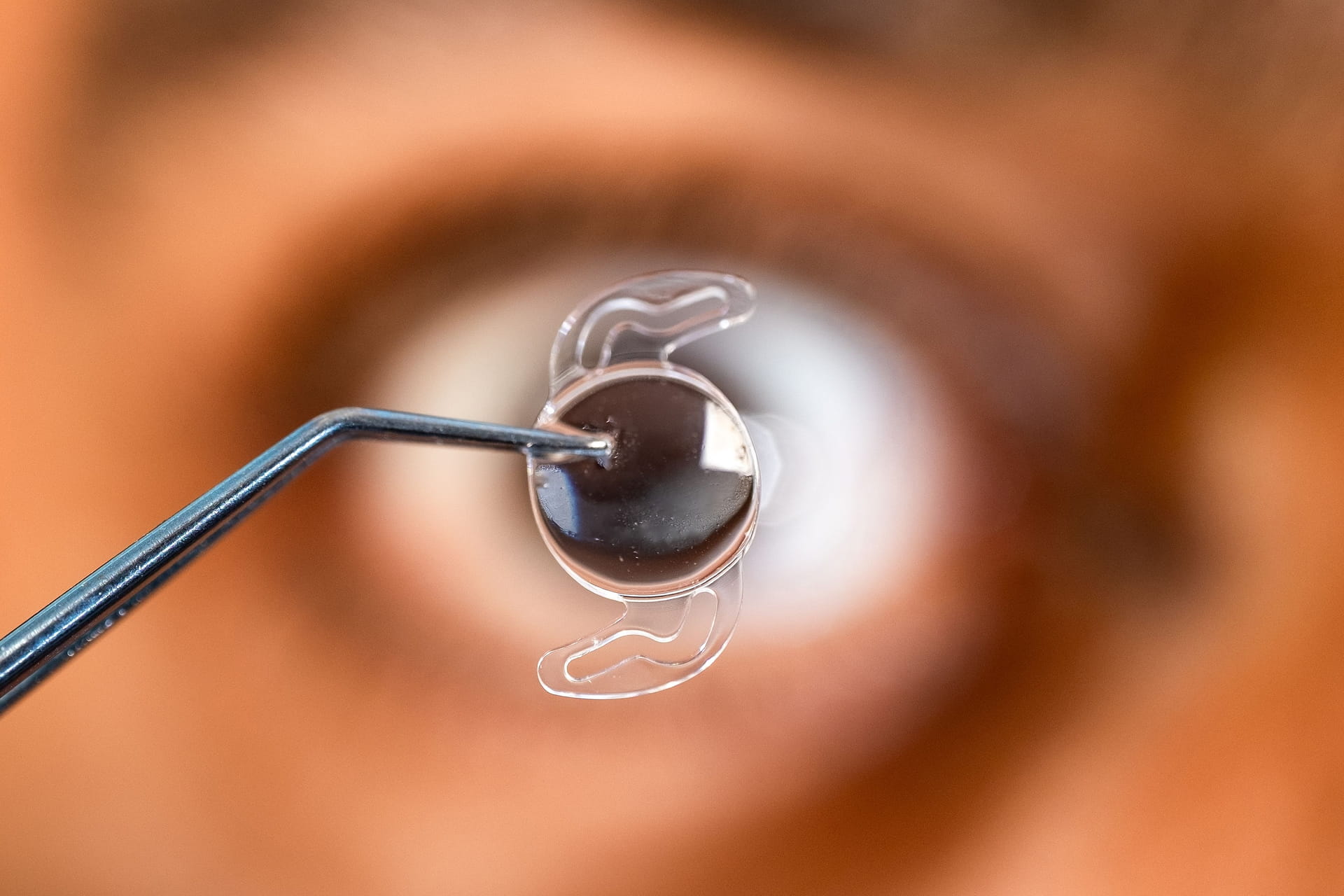
The only effective treatment for cataracts is surgery - and it's one of the most common, safest procedures in the world. Your cloudy lens is replaced with a clear, permanent Intraocular Lens (IOL).
  • Pre-surgery consultation:
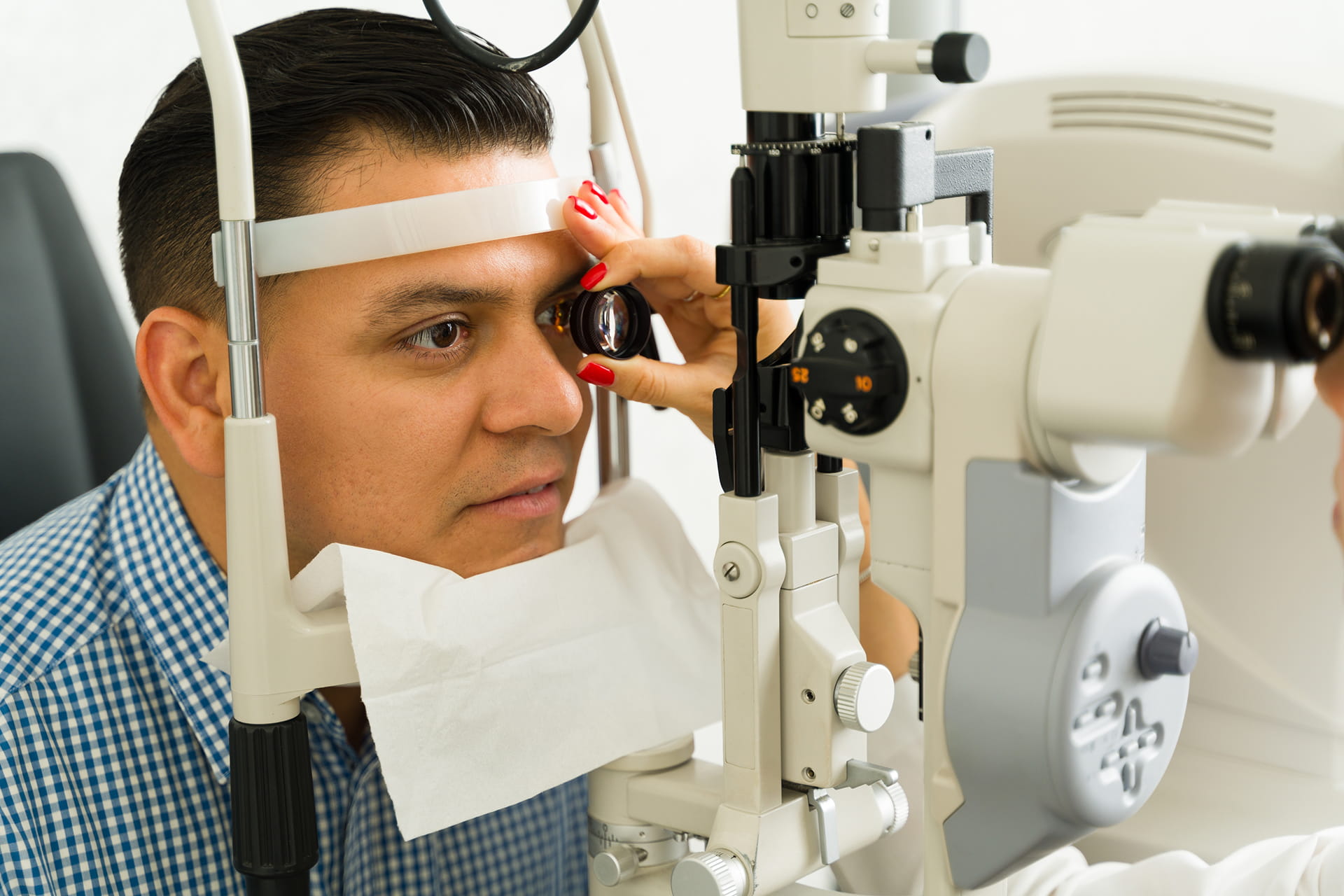
    Your ophthalmologist measures your eye and helps you choose the right IOL for your vision goals and lifestyle.
  • The procedure:
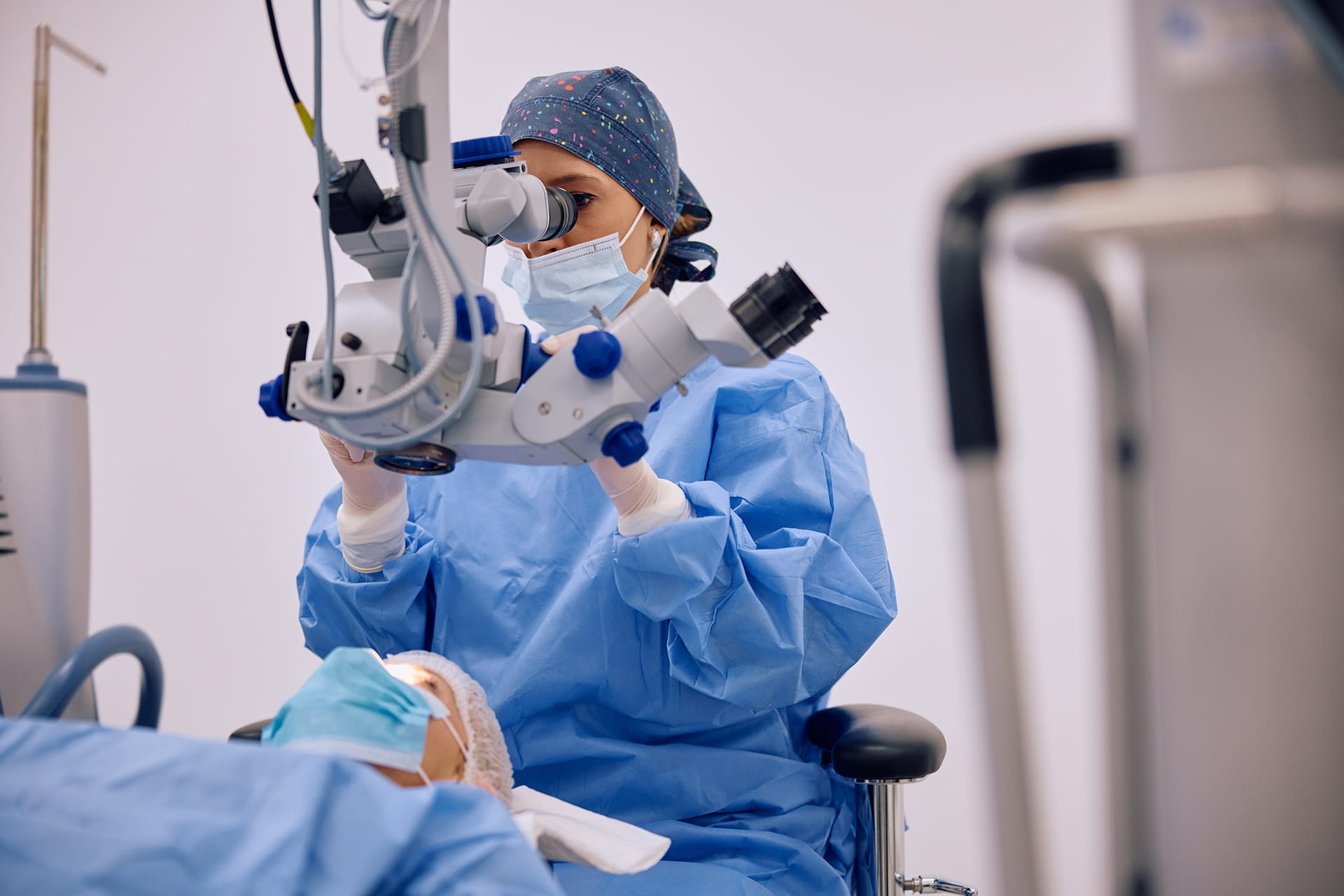
    The cloudy natural lens is gently removed and your chosen IOL is implanted. The procedure typically takes under 30 minutes.
  • Recovery:
    After 24 hours, most patients return to daily activities. Vision continues to improve over the following weeks.
The solution

How are cataracts treated?

An Intraocular Lens (IOL) is a tiny lens surgically implanted inside your eye to replace your natural lens. It is permanent — so choosing the right one is the most important decision you'll make during cataract surgery.

Alcon is a world leader in IOL technology. The right lens determines how you will see for the rest of your life.

When visiting your ophthalmologist
Ask specifically about Alcon IOLs. The type and quality of lens you choose will shape your vision for life — it's worth asking for the best.
Choosing the right IOL

The four types of Intraocular Lenses

Different lens designs help you see clearly at different distances depending on your lifestyle. Your ophthalmologist will help you decide which is right for you.
Type 01
Monofocal IOL
Designed to provide clear vision at one primary distance — most commonly set for distance vision. You may still need reading glasses for close-up tasks.
Type 02
Extended Depth of Focus (EDOF)
Extends your range of clear vision, allowing you to see well at distance and intermediate ranges — ideal for active lifestyles and digital device use.
Type 03
Trifocal (Presbyopia-Correcting)
Provides clear vision at three distances — near, intermediate, and far. An excellent choice for those who want to minimise dependence on glasses entirely.
Type 04
Toric IOL
Specifically designed to correct astigmatism — where the cornea has an irregular shape causing blurred or distorted vision — at the same time as treating the cataract.
Added benefit

Can I correct my vision during cataract surgery?

Yes - it is entirely possible to correct existing vision conditions at the same time as cataract surgery. Alcon's IOLs offer a permanent solution for cataract while also addressing the following conditions.
Astigmatism
Normally the eye is round like a basketball. With astigmatism, it's shaped more like an oval — causing light to focus on multiple points, making everything look stretched or blurry. A Toric IOL corrects this permanently.
Presbyopia
The natural loss of close-up vision that comes with age. The lens loses flexibility, making it harder to focus on your phone or a book. A Trifocal or EDOF IOL can restore your near and intermediate vision simultaneously.
Preparing for surgery
Download our Cataract Surgery Guide
Are you or a loved one preparing for cataract surgery? Our guide walks you through everything you need to know.
  • What to expect before, during, and after surgery
  • A surgery day checklist to help you prepare
  • Post-op care tips for a smooth recovery
  • Questions to ask your ophthalmologist
Ask
For
Alcon
Your Caribbean hub for Alcon eye health education, product information, and community outreach.

Follow Us

© Copyright
2026
AskForAlcon. All rights reserved.